Table of Contents (9 sections)
Virtual reality (VR) has made substantial headway in transitioning from a niche technology to a comprehensive component of our leisure activities. As we embrace 2026, the advent of VR leisure has become more profound, redefining how we relax, entertain, and experience new realities. Let's explore the major trends shaping this exciting domain.
1. Hyper-Realistic Gaming Experiences
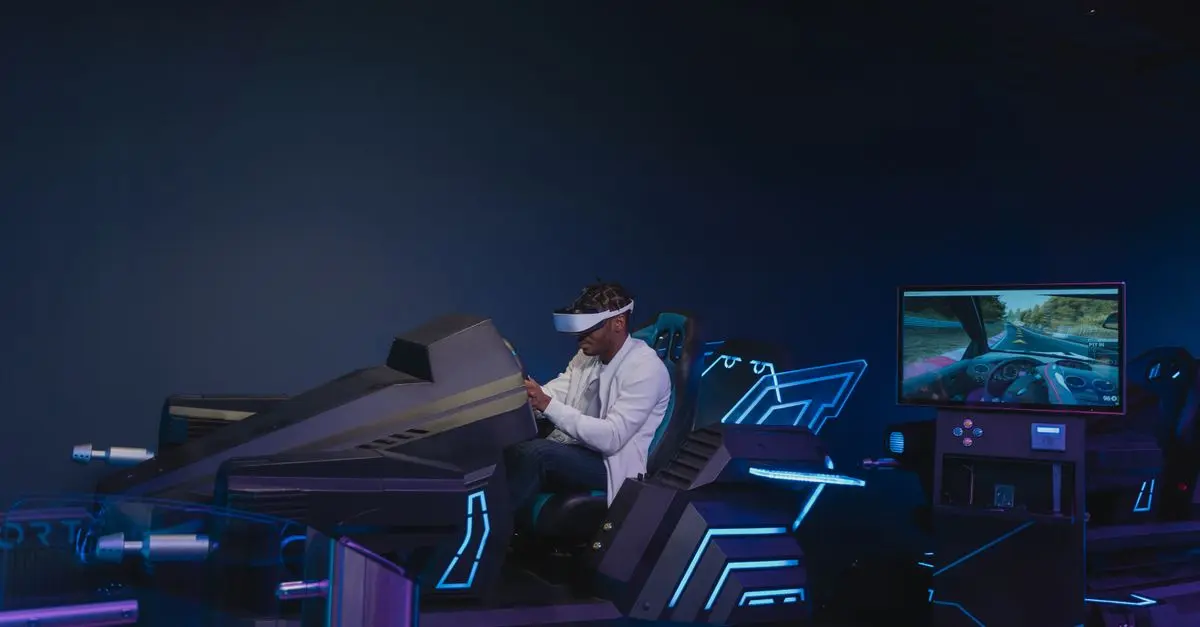
The realm of gaming has been profoundly transformed by VR. In 2026, hyper-realistic gaming experiences are at the forefront, merging boundaries between the real and virtual worlds. These experiences are facilitated by advancements in haptic feedback technologies. Gamers can now feel every interaction, from the subtle breeze to the impact of a virtual explosion. According to Statista, the VR gaming market is anticipated to reach a valuation of $50 billion by 2026. This growth is driven by major players like Sony and Oculus investing in more immersive and realistic gaming environments.
💡 Expert Insight: According to Dr. Michael Smith, a VR technology researcher, "The integration of tactile feedback and ultra-realistic visuals has propelled gaming into a new era of sensory immersion."
2. Virtual Travel and Exploration
Virtual reality makes exploring distant lands possible from the comfort of home, providing an eco-friendly alternative to traditional travel. In 2026, VR tourism is trending as environmental consciousness grows. Platforms like Wanderer offer realistic travel experiences, allowing users to virtually tour landmarks like Machu Picchu or the Great Wall of China. These experiences are enriched by integrating localized experiences, making them educational as well as entertaining.
Travel experts suggest that VR tourism can reduce carbon footprints, as virtual trips require no transportation. The World Travel & Tourism Council reports that VR travel experiences save both time and resources, contributing to sustainable tourism efforts.
3. Enhanced Social Interactions in Virtual Worlds
Social interaction in VR is evolving dramatically. Virtual reality leisure now includes social platforms like VRChat, where users can meet friends, attend concerts, or even join virtual clubs. Enhanced audio-visual technology facilitates realistic communication and interaction, simulating real-life encounters.
The trend of virtual gatherings gained momentum post-pandemic and continues to expand. Social VR reduces geographical barriers, allowing broader global connections. As stated by Pew Research Center, over 60% of users experience improved social interaction within VR compared to traditional online methods.
4. VR in Fitness and Wellness
VR is reshaping the fitness industry, offering dynamic, immersive workout experiences that make exercising more engaging and less monotonous. Platforms like Supernatural or FitXR use VR to transform fitness routines into captivating challenges set in picturesque landscapes.
Statistics from International Data Corporation show that VR fitness apps have increased the frequency of workouts for 40% of users, emphasizing motivation through gamified experiences and real-time feedback. The implication for wellness is substantial, offering benefits like increased consistency and enjoyment in physical activity.
5. Teleconferencing and Education
VR has significant implications for teleconferencing, transforming remote meetings into immersive experiences. Platforms such as Spatial allow users to engage in meetings as if they were in the same room, fostering better collaboration. Likewise, VR in education is changing learning paradigms, providing students with interactive lessons and virtual field trips.
The National Education Association highlights that VR education improves student engagement and retention, offering a pragmatic approach to complex subjects through interactive simulations and tutorials.
📺 For further exploration, check this video on VR's impact on education and business collaboration. It offers a comprehensive analysis of current trends and future predictions.
FAQs
- What is VR leisure?
VR leisure involves using virtual reality technology to enhance or create leisure activities, including gaming, fitness, travel, and social interactions.
- How is VR changing the gaming industry?
VR offers immersive, hyper-realistic gaming experiences, enhancing user engagement through sensory-rich interactions.
- Is VR travel sustainable?
Yes, VR travel is sustainable, providing eco-friendly tours without physically traveling, thus reducing carbon footprints.
- Can VR improve social interactions?
VR enhances social interactions by enabling realistic, immersive communication, transcending geographical limits.
Glossary
| Terme | Définition |
|---|---|
| VRChat | A social platform for creating and sharing virtual reality experiences. |
| Fitness Applications | Software designed to support physical health through exercise routines. |
| Haptic Feedback | Technology that simulates touch and pressure to enhance user immersion. |
- [ ] Identify the type of VR experience you are interested in.
- [ ] Research compatible VR hardware and software.
- [ ] Consider your budget and available space for setting up VR.
- [ ] Explore community reviews and user feedback on VR platforms.
- [ ] Stay updated on VR technological advancements.
🧠 Quick Quiz: What aspect of VR leisure involves exploring new environments without leaving your home?
- A) Hyper-realistic gaming
- B) Virtual travel
- C) VR in fitness
Answer: B — Virtual travel allows for distant exploration from home.