Table of Contents (15 sections)
In the fast-paced world of 2026, fostering a meaningful leisure lifestyle is more important than ever. As we all strive for balance and well-being, art therapy stands out as a powerful tool to enhance our leisure activities. This therapeutic practice combines creative expression with mental health benefits, offering a unique avenue for relaxation, self-discovery, and personal growth. In this article, we will delve into the multifaceted advantages of art therapy within the context of leisure, providing an informative guide for those looking to enrich their recreational practices.
What is Art Therapy?
Art therapy is a form of psychotherapy that integrates artistic expression with psychological understanding. It allows individuals to communicate emotions, explore their inner thoughts, and process challenging experiences. This practice is based on the premise that creative activities can lead to healing and self-discovery, facilitating emotional and psychological growth. As American Art Therapy Association defines, art therapy is designed to aid people of all ages in recognizing and managing emotional conflicts and resolving psychological issues.
In essence, art therapy can take many forms, including painting, drawing, sculpture, and collage-making. Each medium offers distinct opportunities for expression, allowing individuals to engage with their creativity in a supportive environment. For instance, a study published in the Journal of the American Art Therapy Association found that participants in art therapy reported decreased anxiety levels and improved self-esteem. This indicates that art therapy not only supports mental health but also harmonizes well with various leisure lifestyle choices and activities.
How Art Therapy Enhances Leisure Activities
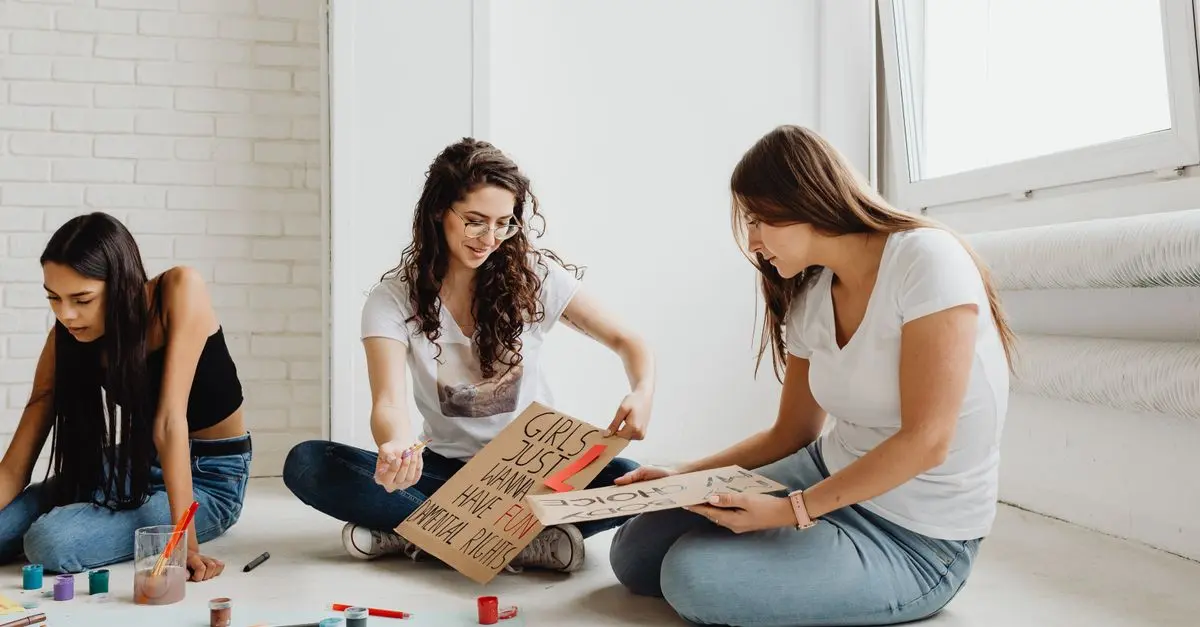
Art therapy can significantly enrich your leisure lifestyle, transforming ordinary activities into therapeutic experiences. Engaging with art allows individuals to explore their emotions creatively, whether through individual practice or group sessions. Here are a few ways it enhances leisure activities:
- Facilitates Emotional Expression: Whether you are participating in a painting class or creating personal art at home, the process allows you to express feelings that might be difficult to communicate verbally. This can be particularly beneficial when engaging in social activities, as it fosters connection through shared experiences.
- Promotes Mindfulness: The act of creating art encourages mindfulness—a state of being present in the moment. This practice helps reduce stress and anxiety, making it an excellent addition to your leisure activities. Mindful engagement in art therapy fosters greater focus and relaxation.
- Enhances Well-being: Incorporating art therapy into your leisure activities contributes to overall well-being. Research from the National Endowment for the Arts indicates that people who engage in arts activities report higher levels of life satisfaction, leading to improved mental health outcomes.


Step-by-Step Guide to Incorporate Art Therapy into Your Leisure
To effectively integrate art therapy into your leisure activities, follow these steps:
- Identify Your Needs: Reflect on what aspects of your emotional or mental health you’d like to improve. Are you seeking relaxation, self-expression, or perhaps healing from a specific experience?
- Choose Your Medium: Experiment with different artistic mediums. Whether it's watercolor, acrylics, or clay, find what resonates with you. Each medium provides distinct methods of emotional exploration.
- Engage in Regular Practice: Create a schedule that incorporates art-making as part of your leisure time. Consistency can amplify therapeutic benefits; even short sessions can lead to significant improvements in your well-being.
- Join a Community: Look for local art therapy workshops or classes. Engaging with others fosters social interaction, support, and shared inspiration—crucial elements of a fulfilling leisure lifestyle.
- Reflect: After each session, take time to reflect on your feelings and the messages expressed through your art. Journaling can be a helpful tool to accompany your art-making process.
Comparative Analysis: Art Therapy vs. Traditional Leisure Activities
Here’s a comparative analysis of art therapy against traditional leisure activities:
| Aspect | Art Therapy | Traditional Leisure Activities | Verdict |
|---|---|---|---|
| Emotional Expression | High - uses art to express feelings | Moderate - may not focus on emotions | Art therapy excels in emotional connectivity. |
| Social Interaction | Often includes group settings | Usually social but can be solitary | Both activities can be shared, varying by context. |
| Mindfulness | Promotes mindfulness through creation | Varies - some activities may promote mindfulness (e.g. yoga) | Art therapy provides a dedicated space for mindfulness. |
| Therapeutic Value | High - focuses on healing and coping skills | Low to moderate, depending on the activity | Art therapy offers explicit therapeutic benefits. |
What are the main benefits of art therapy?
Art therapy facilitates emotional expression, promotes mindfulness, and enhances overall well-being through creative engagement.
Can anyone participate in art therapy?
Yes, art therapy is inclusive and can benefit individuals of all ages and artistic abilities. You don’t need to be an artist to gain from it.
How often should I engage in art therapy?
Regular engagement is recommended. Setting aside time weekly for art therapy can significantly enhance its benefits.
Are there specific supplies needed for art therapy?
Basic art supplies like paints, brushes, paper, and other materials are typically sufficient. The focus is on expression rather than skill.
📺 Resource Video
> 📺 For further exploration: How Art Therapy Benefits Mental Health, a comprehensive analysis of the therapeutic impact of art therapy. Search on YouTube for: "benefits of art therapy 2026".
Checklist Before You Start Art Therapy
- [ ] Identify your emotional needs
- [ ] Choose your preferred artistic medium
- [ ] Set a regular practice schedule
- [ ] Explore local workshops or classes
- [ ] Reflect on your artistic experiences
Glossary
| Term | Definition |
|---|---|
| Art Therapy | A therapeutic practice incorporating artistic expression and psychotherapy to promote mental health and emotional healing. |
| Mindfulness | The psychological process of bringing one's attention to the present moment, often used as a therapeutic technique. |
| Emotional Expression | The process of conveying feelings and emotions through art or verbal communication, crucial for mental wellness. |
Engaging in art therapy can greatly enrich your leisure activities, providing not only relaxation and creativity but also significant mental health benefits. If you're ready to enhance your leisure lifestyle, consider exploring art therapies through local workshops, materials, or online resources.
Recommended Products
Explore our selection of art materials and resources to make the most of your art therapy experience.
Discover joy and healing through creative expression as you embark on this enriching journey!
📺 Pour aller plus loin : benefits of art therapy 2026 sur YouTube
Recommended products
Selected by our experts
Jeu d'éveil Tri'Activities
Darty FR
This engaging game enhances creativity and can serve as a fun activity to complement art therapy sessions.
Jeu d'éveil Star activities 2
Darty FR
An excellent choice for stimulating creativity among participants in art therapy workshops.
Joyballs Lifestyle Noir
DocMorris FR (ex DoctiPharma FR)
This product aids in strengthening pelvic muscles, promoting a holistic approach to wellness, which can complement leisure activities.