Table of Contents (13 sections)
Fishing is an age-old hobby that provides both relaxation and a sense of adventure. For beginners, understanding the basics of fishing is crucial to developing skills that lead to successful catches and enjoyable experiences.
What is Fishing and Why is it Popular?
Fishing involves catching fish, typically in the wild, using various techniques and gear. According to the American Sportfishing Association, over 50 million Americans engage in fishing annually, making it one of the most popular outdoor activities. Its appeal lies in both the simplicity of the activity and the diverse environments where it can be enjoyed.
Step-by-Step Guide to the Basics of Fishing
Step 1: Understanding Fishing Gear
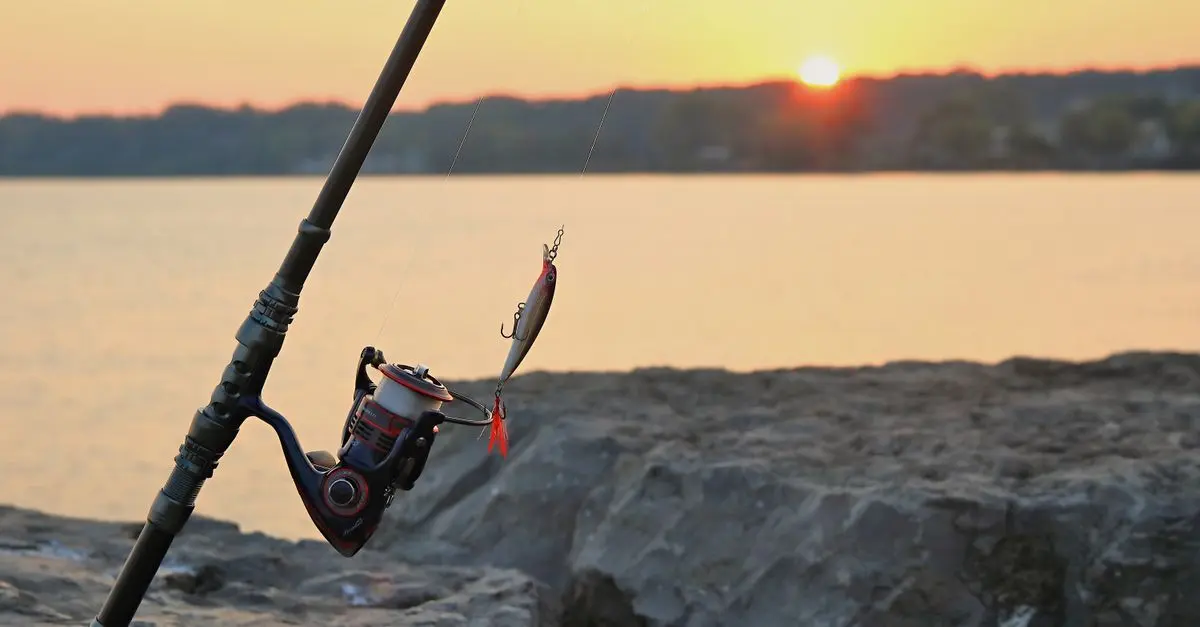
The first step in mastering the basics of fishing is knowing your gear. Essential equipment includes a rod, reel, line, and bait. Beginners might opt for a spinning reel and rod setup, which is versatile and easier to use. Bass Pro Shops and Cabela's offer a wide range of gear suitable for novices.
Step 2: Selecting the Right Bait
Choosing the right bait is crucial. Live baits like worms, minnows, and insects are great for newcomers. According to UFC-Que Choisir, these natural baits increase the chances of a successful catch as they mimic the fish's natural prey.
Step 3: Learning Basic Techniques
Casting is a fundamental skill. Practice the overhead cast by standing with your feet shoulder-width apart, gripping the rod firmly, and smoothly swinging it overhead to release the line. Mistakes to avoid include whipping the rod too hard or too fast, as this can cause tangles or loss of bait.
Step 4: Understanding Fishing Locations
Finding the right spot is vital. Freshwater lakes and rivers are ideal for beginners. According to the U.S. Geological Survey, areas with structures like rocks or submerged logs often harbor more fish due to the shelter they offer.
Step 5: Following Fishing Regulations
Before heading out, check local fishing regulations. These laws ensure sustainable practices and protect fish populations. You can find these regulations on government sites or from local authorities.
Step 6: Improving Your Skills
Continual learning is key. Join local fishing clubs or online communities. Fishing.com offers forums where beginners share tips and experiences. This interaction helps build knowledge and confidence.
Step 7: Preparing for Weather Conditions
Always check the weather before setting out. Sudden changes can affect fish behavior and safety conditions. Dress appropriately and wear sunscreen for sun protection.
| Criteria | Spinning Rod/Reel | Casting Rod/Reel | Fly Rod/Reel | Verdict |
|---|---|---|---|---|
| Ease of Use | Easy | Medium | Difficult | Spinning is best for beginners |
| Versatility | High | High | Low | Equal for different needs |
| Cost | Moderate | Moderate | High | Spinning offers good value |
| Technique | Basic | Moderate | Advanced | Best starts with spinning |
- Where should I fish for the first time?
Freshwater lakes and rivers are best for beginners as they are typically abundant with fish.
- Do I need a license to fish?
Yes, most areas require a fishing license. Check your local regulations.
- What time of day is best for fishing?
Early morning and late afternoon are often ideal times to fish.
Glossary
| Term | Definition |
|---|---|
| Casting | The act of throwing the fishing line into the water, using a rod and reel. |
| Bait | Substance used to attract and catch fish, such as worms or artificial lures. |
| Reel | A device attached to a fishing rod used for winding and unwinding the line. |
📺 For More: How to Start Fishing for Beginners, a detailed overview on fishing techniques. Search on YouTube:
beginner fishing techniques 2026
🧠 Quiz rapide : What is the most beginner-friendly fishing gear?
- A) Fly rod
- B) Spinning rod
- C) Casting rod
Réponse : B — Spinning rods are easy to use and versatile.