Table of Contents (14 sections)
Understanding Calligraphy
Calligraphy, often described as the art of beautiful writing, is much more than just penmanship. It involves creating each letter with thoughtful planning and precision, resulting in aesthetically pleasing texts. Historically, calligraphy has played a significant role across various cultures, from the intricate Arabic scripts to the elegant strokes of Chinese calligraphy. According to Wikipedia, calligraphy retains cultural significance and continues to fascinate enthusiasts globally.
The growing interest in this art form is due in part to its therapeutic benefits. Engaging in calligraphy can reduce stress and improve focus. Moreover, the satisfaction derived from creating beautiful letters can be deeply rewarding. Whether as a hobby or an art form to decorate spaces, calligraphy offers an enriching experience.
Materials You Need
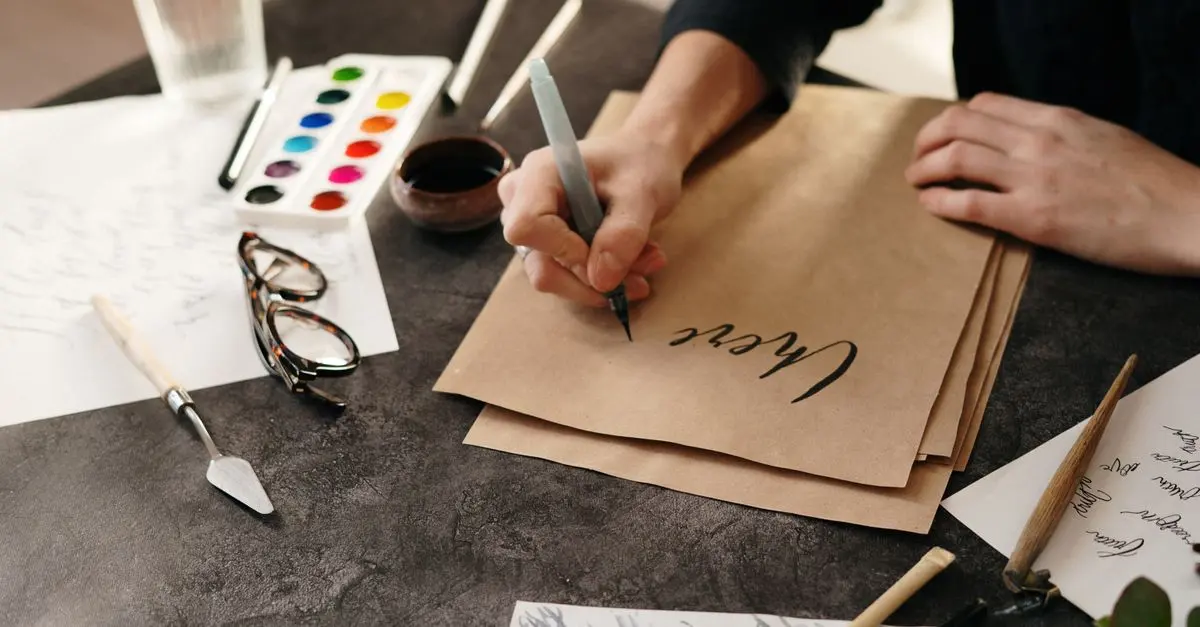
Starting out in calligraphy requires certain tools, but don't worry, they are easily accessible. Beginners typically need practice paper, calligraphy pens, and ink. Practice paper allows for plenty of trials without the fear of wasting resources. Calligraphy pens come in different nib sizes; each size impacts the thickness of the lines, offering room for creativity. Liquid ink is often preferred for its smooth flow, providing consistent results.
Brands like Pilot and Tombow are favored by beginners for their reliability and affordability. According to experienced calligraphers, investing in quality tools can significantly affect learning outcomes and reduce frustrations early on.
Step-by-Step Calligraphy Guide
Step 1: Learn Basic Strokes
Begin with mastering the basic strokes. These form the foundation of more complex letters and designs. Common strokes include upstrokes, downstrokes, ovals, and loops. Focus on keeping the upstrokes light and the downstrokes heavier, a crucial technique in calligraphy. Practicing these consistently builds muscle memory and improves precision.
Step 2: Practice Lettering Techniques
After mastering the strokes, move on to forming letters. Start with lowercase letters first, as they are generally simpler. The key is to maintain consistency in angle and shape. A lightbox or guidelines can help in keeping your lettering straight and even.
Step 3: Connecting the Letters
Once you're comfortable with individual letters, practice connecting them. This is where calligraphy becomes truly dynamic. Practice making smooth transitions from one letter to the next, focusing on maintaining flow and spacing. Mistakes at this stage are common—patience is essential.
Step 4: Explore Styles
Calligraphy encompasses a variety of styles, from Gothic to Italic and Copperplate. Each style has unique characteristics and challenges. Explore different styles to find what resonates with you. This exploration keeps the practice interesting and broadens your skills.
Comparing Calligraphy Tools
| Tool Type | Recommended Brand | Price Range | Best For |
|---|---|---|---|
| Calligraphy Pen | Pilot | $10-$20 | Beginners |
| Ink | Higgins | $5-$15 | Intermediate |
| Paper | Rhodia | $10-$25 | All Levels |
| Lightbox | Huion | $20-$40 | Precision |
- What is the best calligraphy style for beginners?
Beginners often find Italic script the easiest due to its simple forms.
- Do I need a special pen for calligraphy?
Yes, calligraphy pens with specific nib sizes are essential.
- Can I learn calligraphy online?
Absolutely. Platforms like Skillshare offer comprehensive lessons.
- Is calligraphy a useful skill?
Definitely, it enhances creativity and can be monetized through design gigs.
📺 For deeper insights: [The Complete Calligraphy Beginner's Guide], a video tutorial that covers all essentials. Search on YouTube: "calligraphy tips for beginners".
Glossary
| Term | Definition |
|---|---|
| Downstroke | A stroke drawn downward, typically thicker. |
| Nib | The pointed end of the pen that touches the paper. |
| Upstroke | A stroke drawn upward, typically lighter. |
🧠 Quiz rapide
> 🧠 Quiz rapide : Which stroke is typically lighter in calligraphy?
> - A) Downstroke
> - B) Upstroke
> - C) Middle Stroke
> Réponse : B — Upstrokes are usually lighter to contrast with the thicker downstrokes.
Checklist
- [ ] Gather basic materials
- [ ] Practice basic strokes regularly
- [ ] Experiment with different lettering styles
- [ ] Join a calligraphy community
- [ ] Watch tutorials for guided practice
Embark on this artistic journey with enthusiasm, and let your creativity flourish in the world of calligraphy.