Table of Contents (8 sections)
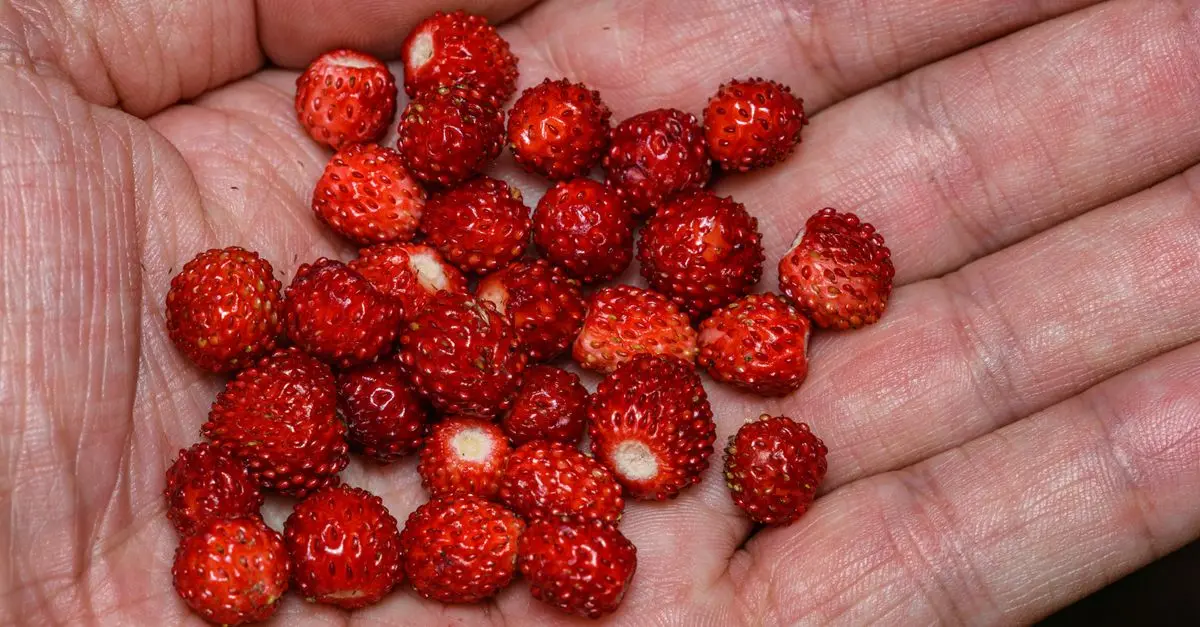
Foraging for food in nature is an ancient practice that has seen a resurgence in recent years. The nutritional value of foraged foods is both diverse and significant. Foraged foods such as wild berries, nuts, and greens are rich in vitamins, minerals, and antioxidants, making them a vital part of a healthy diet. For instance, wild berries, such as blackberries and raspberries, are packed with vitamin C and fiber, both crucial for boosting the immune system and aiding digestion.
The Benefits of Foraging as a Lifestyle
Foraging offers more than nutritional benefits; it promotes physical activity and a sustainable lifestyle. Engaging in foraging means walking long distances and climbing or bending to reach your treasure. These activities can improve cardiovascular health and contribute to maintaining a healthy weight. Moreover, foraging is an eco-friendly practice that reduces the carbon footprint associated with processed and packaged foods.
Nutritional Profile of Common Foraged Foods
Let's delve into the nutritional composition of some common foraged foods. Consider wild garlic, a versatile plant rich in vitamin C and possessing anti-inflammatory properties. Similarly, nettles, though often regarded as a mere nuisance, are a powerhouse of iron, calcium, and magnesium. These nutrients make nettles beneficial for bone health and in preventing anemia.
| Nutrient | Wild Garlic | Nettles | Dandelion Greens |
|---|---|---|---|
| Vitamin C | High | Medium | High |
| Iron | Low | High | Medium |
| Calcium | Low | High | Medium |
| Magnesium | Medium | High | Medium |
How to Start Foraging Safely
Embarking on a foraging journey requires knowledge and caution. First, always research the area you plan to forage in. Learn to identify edible plants and distinguish them from potential toxic ones. The Forager's Guide to Edible Plants is an excellent resource for beginners. Next, never harvest more than you need, ensuring sustainability and respect for wildlife. Finally, clean your findings thoroughly to remove any contaminants.
Foraged Foods vs. Store-Bought Alternatives
Comparing foraged foods with store-bought alternatives highlights several advantages. Foraged foods are fresher and often contain higher nutrient levels than their cultivated counterparts, which can lose nutritional value during storage and transportation. Freshness also contributes to the superior taste of wild foods.
💡 Avis d'expert : Dr. Laura Hanson of the University of Nutritional Science states, "Eating foraged foods provides micronutrients absent in many processed foods, supporting overall health."
🌿 Glossary
| Term | Definition |
|---|---|
| Foraged Foods | Foods gathered from the wild rather than cultivated or processed. |
| Nutritional Value | The content of essential nutrients such as vitamins and minerals present in food. |
| Sustainability | The practice of using resources in a way that meets present needs without compromising future generations. |
Checklist for a Successful Foraging
- [ ] Identify local edible plants and their poisonous look-alikes.
- [ ] Equip yourself with necessary foraging tools such as a knife and basket.
- [ ] Respect nature by leaving no trace behind.
- [ ] Only harvest what you need for personal consumption.
- [ ] Inform someone of your foraging location for safety.
- What are foraged foods?
Foraged foods are natural edibles found in the wild, like herbs, fruits, and fungi, not cultivated by humans.
- How do foraged foods benefit health?
They are rich in essential nutrients and free from preservatives, contributing to better overall health.
- Can anyone start foraging?
Yes, with proper knowledge and resources such as identification guides and online forums.
- Are foraged foods better than farmed foods?
Foraged foods can be more nutritious because they are fresher and less processed.
📺 For further exploration: The Essential Beginner's Guide to Foraging Safely on YouTube. Search "how to forage safely for food" to watch.
🧠 Quiz rapide : Which nutrient is commonly found in nettles?
- A) Iron
- B) Vitamin C
- C) Fiber
Réponse : A — Nettles are rich in iron, making them excellent for boosting blood health.
With a little knowledge and respect for nature, foraging can become a rewarding hobby offering both health and environmental benefits. We hope this guide whets your appetite for a more natural and nutritious way of living.