Table of Contents (11 sections)
What is Outdoor Photography?
Outdoor photography is a leisure activity that combines the joy of exploring nature with the artistry of capturing moments through a lens. It ranges from landscapes and wildlife to candid shots of people enjoying their surroundings. According to a 2026 survey conducted by the Outdoor Industry Association, about 65% of outdoor enthusiasts incorporate photography into their hobbies, making it a popular intersection of leisure lifestyle and activities.
Engaging in outdoor photography not only allows you to capture the beauty of nature but also encourages you to spend more time outside. The thrill of capturing that perfect sunset or an elusive animal can be immensely rewarding. Furthermore, this hobby can lead to new friendships and community engagement through photography clubs or online platforms where you can share your work. Taking up outdoor photography can transform a simple walk into an exciting adventure.
Getting Started with Equipment
Embarking on an outdoor photography journey doesn't require the most expensive gear. Focus on essentials that balance quality and portability. Start with a good camera, whether it’s a DSLR, mirrorless, or even a high-end smartphone. Many smartphones today offer excellent camera capabilities that are suitable for beginners.
For instance, invest in a basic lens that suits your intended style. Wide-angle lenses are ideal for landscapes, while telephoto lenses are great for wildlife, allowing you to zoom in without disturbing the subject. According to photography experts, the rule of thumb is to prioritize versatile equipment that allows you to experiment with various photography styles.
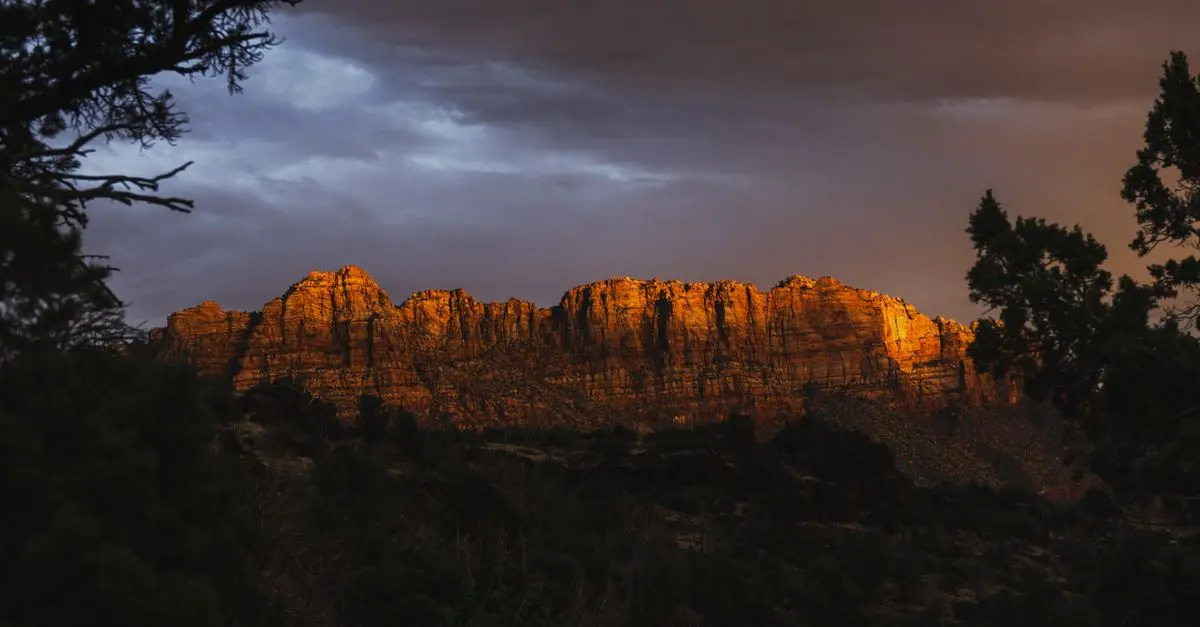
Additionally, don't forget about accessories. A sturdy tripod is essential for low-light shots and long exposures, especially during dawn or dusk. Extra batteries and memory cards are vital, ensuring you don’t miss any opportunity. Having a weather-proof bag can also protect your gear from the elements, enhancing your outdoor experience.


Choosing Your Shooting Location
Finding the right location is critical for outdoor photography. Start by researching nearby parks, nature reserves, or hiking trails. Websites like AllTrails provide insights into trails and their scenic points. Choosing a location based on the time of year can significantly influence your photography opportunities. For example, autumn offers vibrant foliage, while spring captures blooming flowers.
In many areas, popular photographic locations can get crowded, especially during peak seasons. It’s often beneficial to arrive early in the morning or later in the evening when the light is softer and more flattering. Moreover, try scouting locations ahead of time. Use apps to find places that inspire you and make a plan to revisit them during different seasons to witness and capture changing landscapes. This approach not only enriches your photography repertoire but strengthens your understanding of the environment.
Learning the Basics of Composition
Composition is a crucial aspect of photography that can elevate your images from ordinary to breathtaking. Familiarize yourself with the rule of thirds, where you divide your image into a grid and place points of interest along these lines or at their intersections. This technique can help create balanced and engaging photographs.
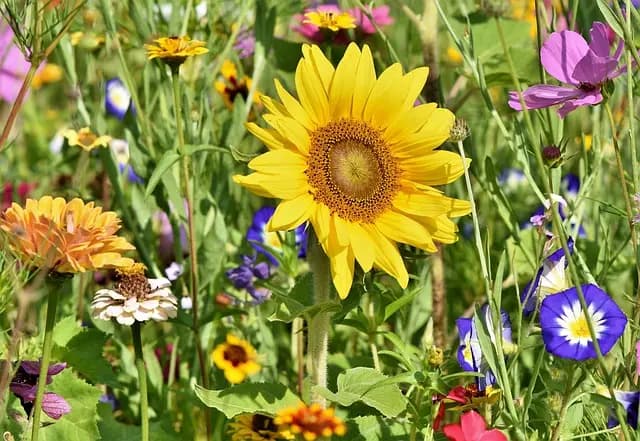
Don’t forget to experiment with perspective. Shooting from different angles can provide unique insights into your subject. For instance, low-angle shots can give a sense of grandeur to landscapes or nearby flowers, while high-angle shots can capture patterns in fields or urban areas.
Balancing elements within the frame, including leading lines that draw the viewer's eye, will make your images more dynamic. Remember, practice makes perfect. Take the time to adjust and play with different techniques before you head out, fine-tuning your creative vision for beautiful outcomes.
Exploring Different Styles of Outdoor Photography
Outdoor photography encompasses a variety of styles. From landscape and wildlife photography to street and adventure photography, identifying a niche can help focus your efforts and motivation. For example, landscape photography is primarily about capturing nature’s breathtaking views, while wildlife photography involves patiently waiting for the right moment to capture animals in their natural habitat.
Exploring these styles can be exciting. Each offers unique challenges and rewards that can enhance your skills and appreciation for the outdoors. As you experiment, keep notes about what types of images evoke the responses you want. This reflective practice can inform your future outings and deepen your connection to your hobby.
Editing Your Photos
Editing is an essential aspect of photography that enhances the final outcome of your captures. Software such as Adobe Lightroom or Photoshop can help adjust exposure, contrast, and color balance. While editing, strive to maintain the authenticity of the scene. Over-editing can detract from the essence of the photograph.
Try employing adjustment layers for fine-tuning specific areas in your image rather than global adjustments. Learning even basic techniques can yield significant improvements, allowing you to create a portfolio that reflects your artistic vision. Various online resources and tutorials can provide guidance to help you understand editing software better.
Checklist Before You Go Out
Preparing for your outdoor photography adventure involves checking several key items to ensure a smooth outing. Here’s a quick checklist:
- [ ] Camera and lenses
- [ ] Fully charged batteries
- [ ] Sufficient memory cards
- [ ] Tripod for stability
- [ ] Weather-proof backpack to protect gear
- [ ] Water and snacks to keep energized
- [ ] Appropriate clothing for the weather
- [ ] Map or app for navigation
With this checklist in hand, you're ready to embark on your outdoor photography journey with confidence and excitement!
📺 Resource Video
> 📺 For more on outdoor photography, check out videos discussing essential gear, techniques, and tips to capture stunning images in nature. Search on YouTube: "outdoor photography tips 2026".
Glossary
| Term | Definition |
|---|---|
| Rule of Thirds | A composition technique that divides the frame into a grid, suggesting points of interest. |
| Leading Lines | Elements in a photo that lead the viewer’s eye towards the focal point of the image. |
| Exposure | The amount of light that reaches the camera sensor, affecting the brightness of the image. |
Checklist before you go out
- [ ] Check weather conditions and plan accordingly.
- [ ] Set your camera to the right settings.
- [ ] Review your equipment to ensure nothing is left behind.
Capturing moments using outdoor photography is an enriching hobby that blends creativity with adventure. Whether it’s through wide vistas or intimate wildlife portraits, the skills you develop not only enhance your photographs but also improve your connection to the natural world. Dive in and enjoy the journey!
📺 Pour aller plus loin : outdoor photography tips 2026 sur YouTube
Recommended products
Selected by our experts
Jeu d'éveil Star activities 2
Darty FR
This versatile photo accessory is perfect for enhancing your outdoor photography experience.
Joyballs Lifestyle Noir
DocMorris FR (ex DoctiPharma FR)
A great addition for outdoor enthusiasts who want clear vision while shooting in bright sunlight.
Farmavita Hd Lifestyle Eco Fix No Gas 300ml
DocMorris FR (ex DoctiPharma FR)
Essential for keeping your photography setup organized and protected during outdoor adventures.