Table of Contents (11 sections)
Introduction to Eco-Friendly Gardening
Eco-friendly gardening, often referred to as sustainable gardening, is an approach that aims to minimize environmental impact while fostering biodiversity. By reducing reliance on chemical fertilizers and embracing natural methods, gardeners not only nurture their plants but also contribute to a healthier planet. According to ADEME, sustainable practices in gardening can lead to a 30% reduction in water usage and a significant decrease in chemical runoff, benefiting both the environment and local communities.
Eco-friendly gardening practices include using organic materials, conserving water, managing waste, and promoting soil health. By learning these techniques, gardeners can enjoy a more sustainable, cost-effective, and rewarding experience.
Planning Your Eco-Friendly Garden
- Assess Your Space: Before starting, evaluate the available space, sunlight exposure, and existing vegetation. Understanding the microclimate is essential for selecting the right plants and layout.
- Design with Purpose: Incorporate elements like rain barrels and compost bins into your design. Ensure pathways and garden beds are strategically placed to maximize efficiency.
- Sustainable Materials: Opt for recycled or locally sourced materials. For instance, using reclaimed wood for raised beds minimizes the environmental footprint.
💡 Expert Tip: When designing, consider multi-layered planting schemes to provide habitat for wildlife and reduce weed growth naturally, saving time and effort in the long run.
Soil Management & Composting
Healthy soil is the cornerstone of eco-friendly gardening. Begin by conducting a soil test to determine its pH and nutrient levels. Based on the results, you can amend the soil with organic matter like compost or manure to improve fertility and structure. According to The Rodale Institute, soil rich in organic matter can increase crop yield by up to 50%.
- Compost: Start a compost pile using kitchen scraps, lawn clippings, and leaves. This not only reduces waste but also enriches the soil.
- Crop Rotation & Cover Crops: Rotate crops to prevent soil depletion, and plant cover crops between growing seasons to add organic matter and suppress weeds.
Water Conservation Techniques
Water is a precious resource, and gardeners should aim to conserve it as much as possible.
- Drip Irrigation: Install a drip irrigation system that delivers water directly to plant roots, minimizing evaporation and runoff.
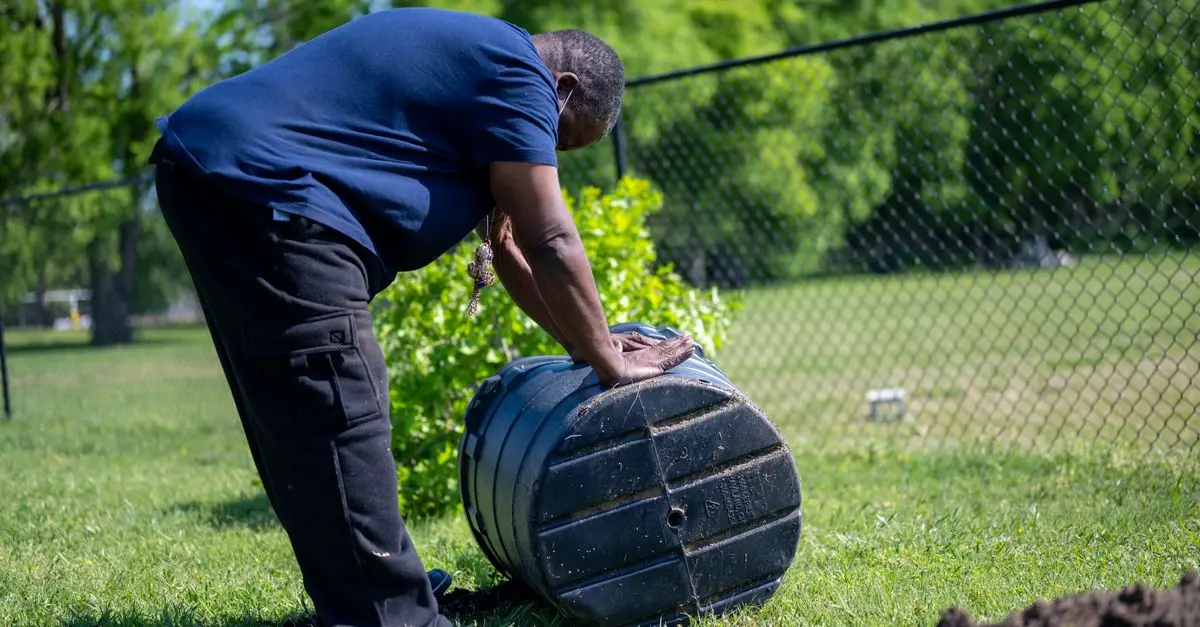
- Rainwater Harvesting: Utilize rain barrels to collect and store water from roofs. This free resource can be used during dry spells.
- Mulching: Apply a thick layer of organic mulch to retain soil moisture, moderate temperature, and suppress weeds.
📺 For further insight: [Sustainable Irrigation Techniques], a comprehensive analysis of water conservation strategies. Search on YouTube: "sustainable irrigation gardening"
Choosing the Right Plants
Selecting the appropriate plants is crucial for eco-friendly gardening. Prioritize native species and drought-tolerant varieties.
- Native Plants: These are adapted to the local climate and soil, requiring less maintenance and water. They also support local wildlife.
- Companion Planting: Pair plants that benefit each other. For example, marigolds can repel pests from vegetable gardens.
In a National Wildlife Federation study, gardens with native plants attracted 15 times more beneficial insects than those with non-native species.
Natural Pest Management
Avoid synthetic pesticides by opting for natural pest control methods.
- Beneficial Insects: Encourage ladybugs and lacewings, which predate on common pests like aphids.
- Companion Planting: Use plants like basil and mint to deter pests naturally.
- Manual Control & Barriers: Hand-pick larger pests and use row covers or nets to protect plants.
Creating Wildlife Habitats
By creating habitats that attract pollinators and beneficial wildlife, gardens can thrive naturally.
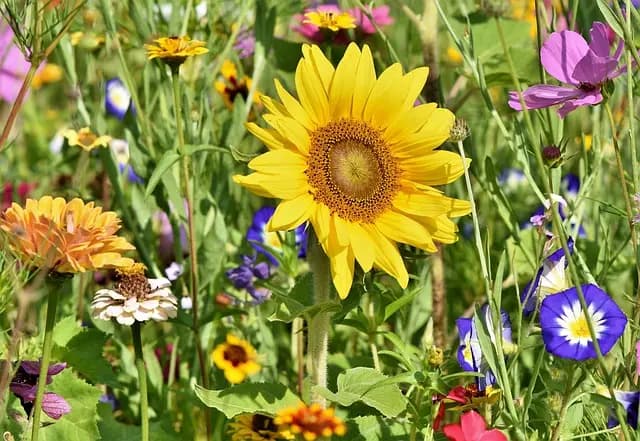
- Pollinator Gardens: Plant a variety of flowers to provide nectar throughout the seasons.
- Birdhouses & Insect Hotels: Install these structures to encourage nesting and shelter for wildlife.
- Water Sources: A small pond or a birdbath can provide essential hydration for various species.
Checklist for Eco-Friendly Gardening
- [ ] Assess garden space and climate
- [ ] Design with sustainable materials
- [ ] Test soil and amend with compost
- [ ] Implement drip irrigation or rain barrels
- [ ] Choose native and drought-resistant plants
- [ ] Use natural pest management techniques
- [ ] Create habitats for pollinators and wildlife
Glossary
| Term | Definition |
|---|---|
| Compost | Decomposed organic matter used to enrich soil. |
| Drip Irrigation | A system that delivers water directly to plant roots. |
| Native Plants | Plant species that occur naturally in a particular region. |
> 🧠 Quick Quiz: Which of the following is a benefit of using native plants?
> - A) Requires more water
> - B) Supports local wildlife
> - C) Increases soil erosion
> Answer: B — Native plants are adapted to local environments and help support biodiversity.
- What is eco-friendly gardening?
Eco-friendly gardening focuses on sustainable practices that minimize environmental impact and enhance biodiversity.
- How can I conserve water in my garden?
Use drip irrigation, rain barrels, and mulch to conserve water effectively.
- What are the benefits of native plants?
Native plants require less maintenance, support local wildlife, and are adapted to local conditions.
- How do I manage pests naturally?
Encourage beneficial insects, use companion planting, and employ physical barriers.