Table of Contents (8 sections)
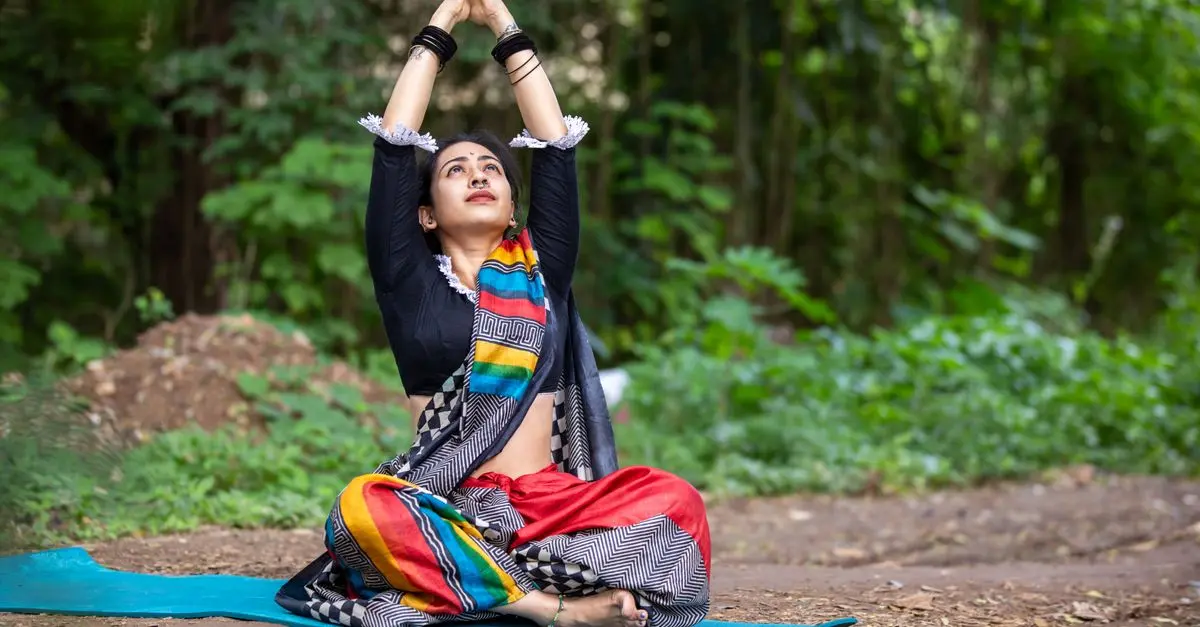
Transformational yoga is more than just a physical exercise; it's a holistic approach to well-being. Yoga Alliance defines it as a practice that combines physical, mental, and spiritual disciplines to achieve harmony. By integrating aspects of Hatha, Kundalini, and Taoist yoga, transformational yoga aims to cleanse both body and mind, enhancing one's daily life.
Having practiced yoga for over a decade, I can testify to its profound impact. It promotes flexibility and strength, but the real transformation happens within. Yoga Journal highlights studies showing that yoga reduces stress levels by up to 30% and boosts mental clarity. It's apparent why individuals often find a new lease on life with yoga.
💡 Expert Opinion: Transformational yoga could be a key to personal evolution, helping individuals manage stress more effectively. [Source: Yoga Alliance]
Steps to Embrace Transformational Yoga
Starting transformational yoga can be a deeply rewarding journey. Here's a guide to begin:
- Find a Qualified Instructor: Look for credentials from organizations like Yoga Alliance.
- Set Clear Intentions: Determine what you wish to transform, whether it's physical fitness or mental well-being.
- Create a Consistent Practice: Dedicate time daily, even if just 15 minutes.
- Incorporate Breathwork and Meditation: These are essential components, not just add-ons. Breath control, as per Harvard Health, significantly reduces anxiety.
- Reflect Regularly: Journaling your thoughts and progress can deepen your practice.
Consistency in practice leads to gradual transformation. During one of my weekend retreats, the mindfulness aspect helped me better cope with life's challenges while improving my focus.
Benefits and Drawbacks of Transformational Yoga
Here's a look at the strengths and weaknesses of transformational yoga:
| Aspect | Benefits | Drawbacks | Conclusion |
|---|---|---|---|
| Physical | Improves flexibility and strength | Can be physically demanding | Overall beneficial |
| Mental | Reduces stress and anxiety | Requires regular practice | Worth the effort |
| Spiritual | Promotes self-awareness and growth | May conflict with personal beliefs | Personal preference |
Transformational Yoga in Numbers
According to Yoga Journal, yoga participation in the US has grown by 50% over the past five years. Statista reports 36 million Americans practice yoga, with a noticeable shift towards holistic approaches like transformational yoga due to their comprehensive benefits. An American Psychological Association survey found 84% of yogis report better mental health.
FAQs on Transformational Yoga
- What makes transformational yoga different?
Transformational yoga combines physical postures with mental and spiritual practices to foster holistic transformation.
- How often should one practice transformational yoga?
It's recommended to practice at least 3-4 times a week to experience profound changes.
- Is transformational yoga suitable for beginners?
Yes, with the guidance of a qualified instructor, beginners can safely start transformational yoga.
- Can transformational yoga aid in weight loss?
While yoga primarily improves mental well-being and flexibility, consistent practice can contribute to weight regulation.
📺 For further insights:
> 📺 For further insights: [Transformational Yoga Explained], an in-depth analysis of how yoga can change your life. Search on YouTube: transformational yoga benefits
Checklist for Practicing Transformational Yoga
- [ ] Find a certified instructor
- [ ] Set personal goals
- [ ] Allocate daily practice time
- [ ] Incorporate meditation and breathwork
- [ ] Track progress and reflect regularly
Glossary
| Term | Definition |
|---|---|
| Hatha Yoga | A branch of yoga focusing on physical exercise to master the body and mind. |
| Kundalini | A form of yoga emphasizing awakening energy. |
| Taoist Yoga| Combines traditional yoga with Taoist practices to promote balance. |