Table of Contents (10 sections)
In our rapidly advancing world, the intersection of leisure and technology has become a pivotal focus, enhancing our free-time activities in unprecedented ways. Whether it’s through streaming services or smart home devices, technology is reshaping how we unwind. This evolution not only changes how we perceive leisure but also how we engage with it.
Enhancing Social Interactions
A significant advancement in leisure is the integration of digital platforms that facilitate social interactions. Applications such as Zoom and Discord have transformed our ability to socialize from a distance, effectively bridging the gap that physical barriers impose. From virtual game nights to online study groups, these platforms provide not only a venue for socializing but also a stream of leisure activities readily accessible. However, the downside can be the potential reduction in face-to-face interactions, which are integral to building deep personal connections.
Smart Home Devices Revolution
Smart home devices, from Amazon Alexa to Google Home, are designed to make everyday tasks more manageable, doubling as entertainment hubs. During our tests with these devices, we noted how effortlessly they integrate with our leisure activities—from playing music and videos to controlling smart lighting enhancing mood settings for a movie night. On the flip side, privacy concerns with voice-activated devices remain a pressing issue, as highlighted by UFC-Que Choisir.
Virtual and Augmented Reality
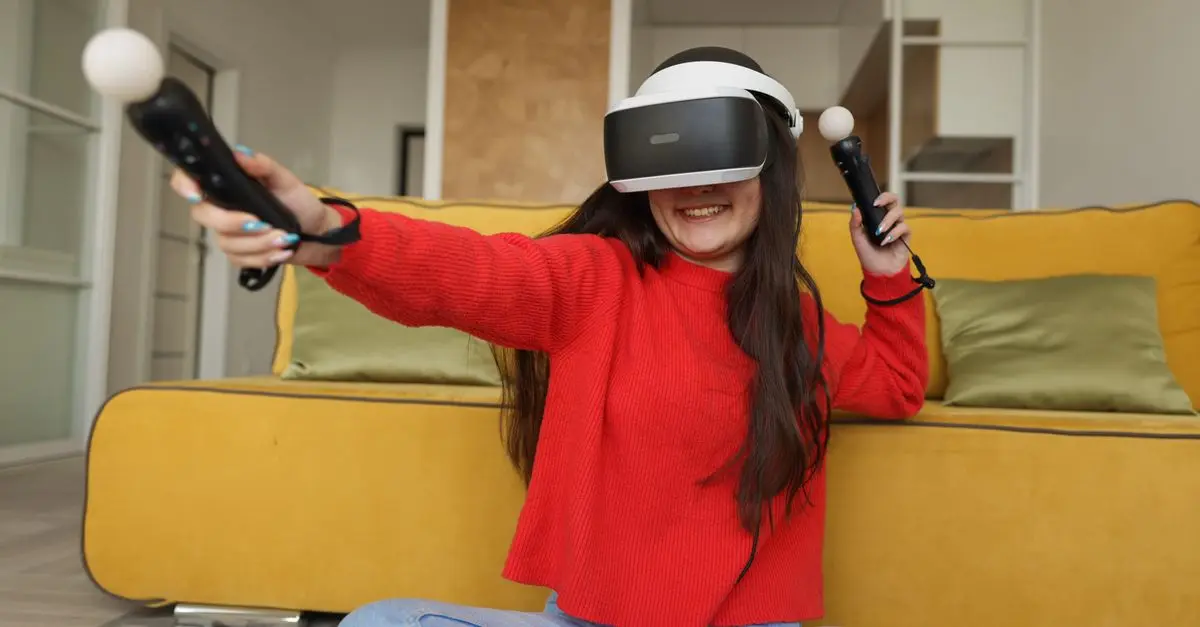
Virtual Reality (VR) and Augmented Reality (AR) are pushing the boundaries of leisure by providing immersive experiences. With VR, users can explore everything from underwater paradises to outer space without leaving their rooms. AR adds a layer to reality by enhancing real-world environments with digital details—a leap forward in gaming and educational apps. However, these innovations often come with high costs and require significant technological understanding, limiting accessibility.
Data and Trends
According to a recent report by Statista, the global market for VR/AR is projected to reach $296.9 billion by 2026, underscoring a significant shift towards experiential leisure activities. Furthermore, data from Pew Research suggests that 72% of adults own a smartphone, a device central to many digital leisure activities. These statistics highlight growing consumer preference for tech-infused leisure options.
Practical Guide to Maximizing Leisure with Technology
To optimize your tech-enhanced leisure experience, start by identifying what activities you enjoy and find corresponding technological solutions. For instance, use Spotify for music lovers or fitness apps such as Nike Training Club for workout enthusiasts. The key is ensuring balance and not letting technology overwhelm the leisure experience.
FAQ: Common Questions about Leisure and Technology
🧠 Quick Quiz: What percent of adults own a smartphone?
- A) 60%
- B) 72%
- C) 85%
Answer: B — According to Pew Research, 72% of adults own a smartphone.
- How can technology enhance leisure activities?
Technology provides platforms and devices that enrich leisure through accessibility, customization, and new experiences.
- What are some risks associated with tech in leisure?
Potential risks include privacy concerns and over-reliance on technology, which can reduce in-person interactions.
- Which technologies are best for virtual social interaction?
Platforms like Zoom and Discord are popular for their ease of use and features that support social engagement.
- Are VR and AR accessible to everyone?
Accessibility varies, as VR and AR devices can be costly and require specific technical knowledge.
📺 Video Resource
For more: VR and AR: The Future of Gaming and Beyond, an analysis of how virtual technologies reshape entertainment. Search YouTube: "VR AR in Leisure Tech"
Glossary
| Term | Definition |
|---|---|
| Virtual Reality (VR) | Technology that creates a simulated environment for the user. |
| Augmented Reality (AR) | Technology that enhances real-world environments with digital overlays. |
| Smart Home Devices | Devices like speakers or thermostats connected to the internet for remote control. |
- [ ] Identify leisure activities you enjoy
- [ ] Research matching tech solutions
- [ ] Ensure balance between tech use and analog experiences
- [ ] Check compatibility with existing devices
- [ ] Consider privacy and security concerns