Table of Contents (14 sections)
Introduction
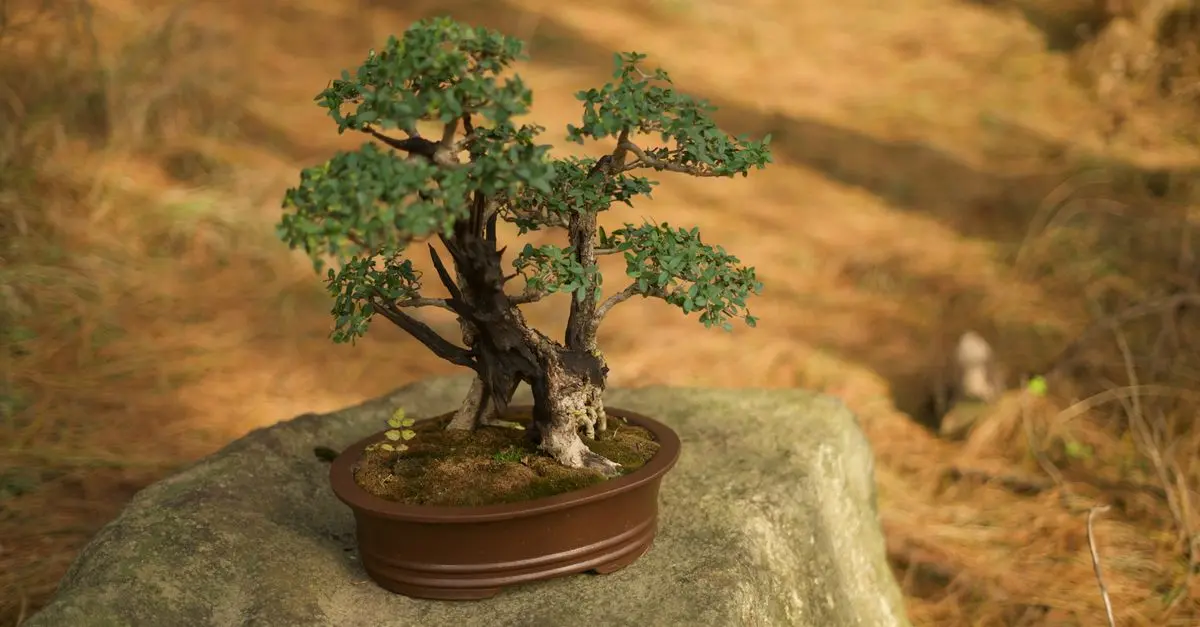
The art of bonsai is a centuries-old practice that transforms trees into miniature wonders, reflecting nature's grandeur in a manageable form. Originating in China and perfected in Japan, bonsai has become a global hobby enjoyed by enthusiasts worldwide. It's not just about aesthetics; it's a way to embrace patience, discipline, and the meditative aspect of gardening.
1. Understanding Bonsai
Before diving into the intricacies of bonsai cultivation, it’s important to grasp what bonsai actually represents. In essence, bonsai is the practice of cultivating small trees that mimic the shape and scale of fully-sized trees. According to Wikipedia, this art is deeply rooted in both nature and Zen Buddhism, where aesthetics and harmony play pivotal roles. Exploring bonsai opens a gateway to understanding the delicate interplay between nature and nurture.
2. Selecting the Right Species
How to Choose Your Bonsai
Choosing the right species is crucial for beginners. While many may be drawn to exotic trees, starting with forgiving species like Ficus, Jade, or Chinese Elm is advisable. Each has unique watering and light requirements, impacting their growth and adaptation to indoor settings. It's also prudent to consider your climate, as some species may require specific humidity levels.
💡 Expertise Insight: Beginners often make the mistake of over-watering bonsais. Learn your tree’s watering schedule by monitoring the soil moisture.
3. Pot Selection and Soil Preparation
Picking the Right Pot
The pot is not just a container; it's part of the art. It should complement your tree and allow for sufficient root growth. Opt for pots that are slightly shallow to limit deep root growth, further enhancing the miniature effect.
The soil needs are distinct; bonsai typically require well-draining soil to prevent waterlogging. A mix of clay, silt, and organics often works well. UFC-Que Choisir emphasizes the importance of soil composition in retaining the right amount of moisture, crucial for bonsai health.
4. Pruning and Shaping Techniques
Mastering the art of pruning is vital. It involves trimming branches to control shape and encourage the desired aesthetic. Common techniques include pinching new growth, pruning unnecessary branches, and wiring to guide growth direction. 60 Millions de Consommateurs suggests regular upkeep for a balanced structure and trunk.
📺 For a Visual Guide: [Basics of Bonsai Pruning and Wiring], an extensive tutorial on styling techniques for different bonsai types. Search on YouTube: "bonsai pruning guide 2026".
5. Watering and Fertilization
Nurturing Your Bonsai
Watering is a common pitfall; too much can lead to root rot, while too little can dry out the plant. A thorough soak is usually best, allowing the soil to absorb adequate moisture. Fertilization needs change seasonally; according to ADEME, using organic fertilizers during the growing season supports healthy growth.
6. Overcoming Common Challenges
Maintaining bonsai is not without its challenges. Pests like spider mites can be a problem, and diseases can stunt growth. Regular inspections and maintenance are key to spotting issues early and addressing them effectively.
🧠 Quick Quiz: What is the most common mistake for bonsai beginners?
- A) Over-watering
- B) Under-pruning
- C) Incorrect soil choice
Answer: A — Over-watering is often the most common error.
| Challenge | Solution | Tools Needed | Tips |
|---|---|---|---|
| Over-watering | Check soil moisture | Moisture meter | Water only when dry |
| Pests | Use insecticide soap | Spray bottle | Regular inspections |
| Poor growth | Adjust sunlight exposure | Light meter | Monitor leaf color |
Glossary
| Term | Definition |
|---|---|
| Bonsai | The art of growing miniature trees in containers that mimic the shape of real-life trees. |
| Pruning | The process of selectively trimming plant parts to control growth direction and shape. |
| Wiring | Technique used to bend and shape branches in the desired formation. |
Checklist Before You Start
- [ ] Choose a bonsai species suitable for beginners
- [ ] Select a complementary pot and prepare well-draining soil
- [ ] Schedule regular pruning sessions
- [ ] Monitor soil moisture for appropriate watering
- [ ] Inspect regularly for pests and diseases
Conclusion
Embarking on the journey of the art of bonsai is like opening a door to a serene and fulfilling hobby. By understanding the fundamentals and integrating these practices, you nurture not just a tree but a piece of art that embodies patience and creativity. Let's plant the seeds of patience and watch them grow.