Table of Contents (16 sections)
Understanding the Essentials
Starting your camping adventure requires knowledge of vital equipment. Essential camping gear encompasses tools for shelter, warmth, food, and safety that transform experiences. Why is this gear indispensable? Without proper tools, comfort and safety are compromised, leading to trips marred by discomfort. Beginners might find broad choices daunting, but understanding priorities aids effective selections.
💡 Expert Insight: Novice campers often ignore weather forecasts, affecting gear choices. Weather considerations like temperature variations significantly impact your gear needs.
According to UFC-Que Choisir, the key is balancing cost, quality, and functionality. Equipping yourself with dependable, versatile tools ensures enjoyable outings.
Selecting the Right Shelter
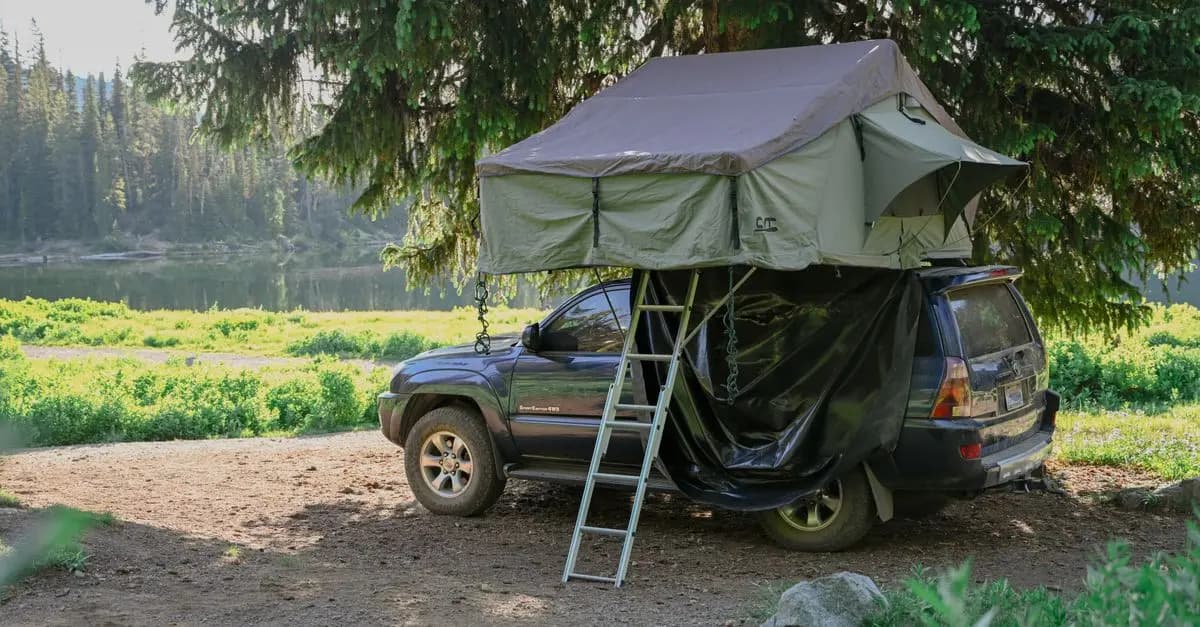
Choosing a tent that fits your needs is crucial. For a beginner, a 3-season tent suffices for most conditions, offering protection from rain and wind. According to REI, features such as water resistance, airflow, and weight should influence your choice. Most tents accommodate two people, so evaluate your group size.
Modern tents are user-friendly, with color-coded poles and quick-pitch systems. Look for features like double-wall construction to reduce condensation. Avoid the mistake of choosing a tent solely based on aesthetics; functionality is paramount.
Choose a tent with a minimum floor area of 20 square feet per person for comfort. Set it up at home first to practice assembly, saving time and frustration outdoors.
Choosing Sleeping Bags
Selecting suitable sleeping bags is paramount for comfort. Bags are rated on temperature; opt for a sleeping bag that covers the lowest temperature you expect. Materials vary, from down for lightweight insulation to synthetic for wetter climates.
A mummy-style bag provides maximum warmth by reducing dead air space around your body. However, some prefer a rectangular bag for increased room. Weight and compressibility matter for backpackers, whereas casual campers might prioritize comfort over weight.
Backcountry Magazine recommends sleeping pads for added insulation and comfort.
Cooking and Food Storage
Cooking gear must be compact yet adequate for meal preparation. A basic camping stove with fuel-efficient burners saves money and reduces environmental impact. Camp Chef advises testing your cooking gear to ensure compatibility with your menu.
Avoid bringing perishable foods that require constant refrigeration. Instead, pack high-energy, dried snacks like nuts or trail mix. Invest in quality bear canisters or hang food high above ground level to avoid wildlife encounters.
🧠 Quiz rapide: What is the primary reason for using bear canisters?
- A) Protecting food from wild animals
- B) To carry more food
- C) To cook food
Réponse : A — Bear canisters secure food and reduce the chance of wildlife disturbance.
Clothing and Footwear
Your clothing acts as your first defense against weather and terrain. Layering systems maximize comfort and allow for adjustments based on conditions. Start with moisture-wicking base layers to stay dry, add insulating mid-layers for warmth, and finally, a breathable waterproof shell.
Footwear must match terrain demands. Hiking boots provide ankle support for rough trails, whereas trail shoes suit lighter paths. Wool or synthetic socks prevent blisters, crucial for any camper's comfort. Brands like Columbia and The North Face offer robust options.
Safety and First Aid
Never underestimate the importance of a well-stocked first aid kit. Essential items include bandages, antiseptic wipes, tweezers, and medical tape. Customize your kit according to specific needs, like allergy medications or blister treatments.
Safety extends beyond medical tools to include understanding emergency protocols. Red Cross offers courses on basic first aid skills, a wise investment for outdoor enthusiasts.
The Role of Navigation Tools
Even in well-marked areas, navigation tools are indispensable. A reliable GPS device offers accurate positioning, while traditional maps are essential as backups. Becoming familiar with compass use completes the toolkit.
Professional guides at National Geographic emphasize map literacy. Practice reading topographic maps to navigate terrain confidently, as technology can fail in remote areas.
Equipment Maintenance Tips
To extend the lifespan of your gear, adhere to maintenance best practices. Cleanliness prevents mold and degradation. Waterproof your tents annually, and inspect seams for wear. Maintain metal surfaces on stoves with penetrating oil to avoid rust.
Store sleeping bags uncompressed, allowing insulation to retain loft. Boots dry and free of dirt last longer. Investing time in upkeep saves money and ensures reliability on future trips.
Why is layering important when camping?
Layering provides flexibility in adjusting to temperature changes, which is vital for comfort during camping.
What should I do if I get lost on a camping trip?
Calmly retrace your steps if possible or stay put and signal for help using a whistle or mirror.
How should food be stored to prevent bear encounters?
Utilize a bear canister and hang it away from your sleeping area.
What is the lifespan of a typical camping tent?
With proper care, a quality camping tent can last 10-15 years.
Glossary
| Term | Definition |
|---|---|
| 3-Season Tent | Suitable for spring, summer, and fall, equipped for mild conditions. |
| Mummy Sleeping Bag | A snug bag providing maximum warmth efficiency. |
| Bear Canister | A container designed to store food safely from wildlife. |
Checklist Before Your Trip
- [ ] Test your tent at home
- [ ] Check sleeping bag temperature rating
- [ ] Pack moisture-wicking clothing layers
- [ ] Organize cooking gear and food
- [ ] Assemble a comprehensive first aid kit
📺 For further learning: Essential Camping Gear You Need, a detailed breakdown available on YouTube: "essential camping gear beginners"
Don't hesitate to explore additional resources or professional advice to ensure your camping trip is as enjoyable as possible.