Table of Contents (11 sections)
Understand Your Space
Before you start building your meditation space at home, it's crucial to understand the environment you're working with. Consider whether your house has unused corners or rooms that can be transformed into a serene sanctuary. According to Harvard Health Publishing, a clutter-free space can aid mental relaxation, which is fundamental for meditation. For instance, a corner in your living room with a view of nature can instantly bring tranquility. Avoid spaces with constant disturbances or noise to maintain the peacefulness.
Choose the Right Location
Selecting the right location for your meditation space is pivotal. Consider areas with natural light and minimal traffic. A study by Science Daily shows that exposure to natural light enhances mood and energy, beneficial for meditation. Aim to choose spots where outdoor sounds, like birds chirping, serve as a calming backdrop without causing distraction. Avoid spaces like kitchens or near televisions where high activity occurs. This setting will ensure that your meditation is undisturbed and effective.
Select Appropriate Furnishings
Furnishings play a significant role in the comfort of your meditation space. Opt for cushioned seating like a meditation cushion that supports your posture while maintaining comfort. Adding a low table to hold essential oils or a small decorative piece like a Himalayan Salt Lamp can keep the area harmonious according to Healthline. Choose furniture that is easy to move for flexible arrangements, but keep it minimalistic to avoid clutter.
Incorporate Soothing Decor
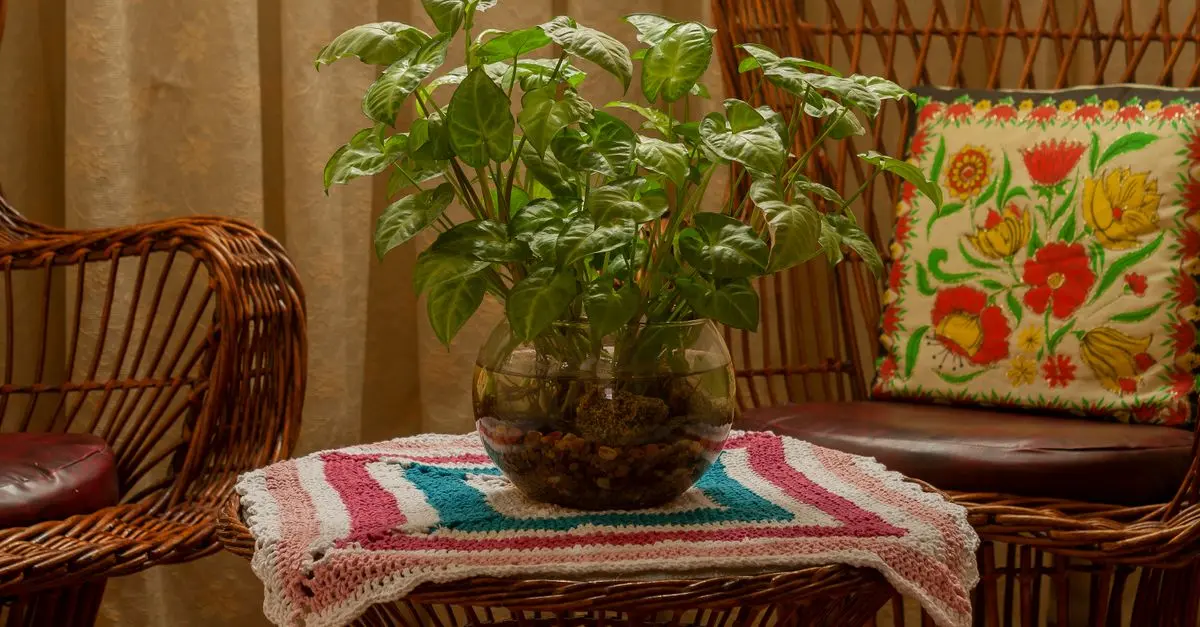
Decorate the area with elements that inspire peace and serenity. Consider adding some greenery, like indoor plants, known for their air-purifying qualities and calming effect. NASA's Clean Air Study notes that plants like the Peace Lily effectively reduce toxins. Artful placements, such as paintings or subtle wall colors, can help set the ambiance. Ensure each element resonates with the space’s purpose—simplicity here enhances beauty.
Ensure Adequate Lighting
Lighting can heavily influence your meditation sessions. Soft, warm lighting is ideal to create a calming atmosphere. According to experts at Philips Lighting, using dimmable lights or candles offers a tranquil environment. Avoid harsh overhead lighting as it can be overstimulating during meditation. Experiment with different light sources to find what suits your meditation style, delivering both functionality and ambiance.
Consider Aromatherapy
Aromatherapy is renowned for enhancing relaxation and focus. Using essential oils like lavender or sandalwood can deepen meditation practices. According to the National Center for Biotechnology Information, the olfactory system has a direct connection to emotional centers in the brain, making scent a powerful relaxation tool. Utilize an oil diffuser in your meditation space but ensure adequate ventilation to prevent overwhelming the senses.
Maintain a Clean Environment
A clean, organized meditation space can contribute significantly to mental focus and relaxation. Keeping the area tidy ensures that distractions are minimized. Marie Kondo, author of The Life-Changing Magic of Tidying Up, advocates for organization to support mental clarity. Regularly dust and vacuum, rotate items seasonally, and maintain a routine for cleanliness that aligns with your daily meditation practice.
Personalize Your Space
Customize your meditation area with items that inspire you. Whether it's a personal altar, unique artwork, or a sound bell, personal touches can make the space more inviting and meaningful. Personalization enhances your commitment to the practice, as noted by Yoga Journal, by creating a deeper connection to the space. Change elements as your meditation journey evolves to keep it fresh and engaging.
Glossary
| Terme | Définition |
|---|---|
| Aromatherapy | Use of aromatic plant extracts and essential oils for healing and cosmetic purposes. |
| Meditation Cushion | A small cushion used in meditation practices for comfort and posture support. |
| Dimmable Lights | Lighting that allows for adjustable brightness settings to suit mood or task needs. |
Checklist
- [ ] Identify your ideal meditation space
- [ ] Declutter the chosen area
- [ ] Choose comfortable furnishings
- [ ] Select calming decor elements
- [ ] Ensure a well-lit atmosphere
- [ ] Integrate soothing scents
- [ ] Personalize the space to reflect individuality
🧠 Quiz rapide : What type of lighting is best for a meditation space?
- A) Bright fluorescent
- B) Soft, warm light
- C) Colored LED
Réponse : B — Soft, warm light creates a calming atmosphere conducive to meditation.
📺 Pour aller plus loin : How to Enhance Your Meditation Practice with Aromatherapy, discuss the effects of different scents on relaxation. Recherchez sur YouTube :
aromatherapy benefits meditation.