Table of Contents (14 sections)
Introduction
Creating a home spa experience is an ideal way to unwind and relax in the comfort of your own surroundings. By setting up your home environment to resemble a spa, you can enjoy the same relaxation and rejuvenation without the travel or expense of a professional facility.
Step 1: Setting the Atmosphere
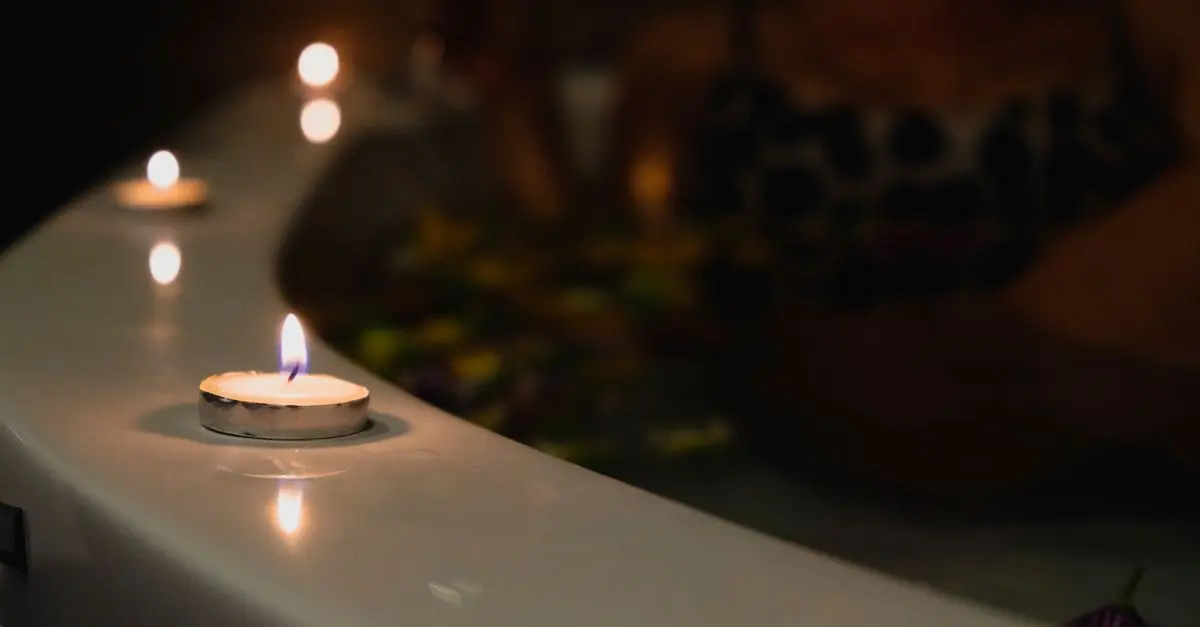
To begin your home spa experience, start by setting the right atmosphere. Consider lighting, scents, and sounds. Use soft lighting or candles to create a calming environment. Include scents like lavender or eucalyptus, which are known for their relaxing properties. Music or nature sounds can further enhance the ambiance. A study by Harvard Medical School highlights that ambient noise can significantly reduce stress levels. Avoid harsh, bright lights and opt for natural or dimmable lights instead.
Step 2: Gather Essential Supplies
Stock up on essential spa supplies such as fluffy towels, a comfortable robe, and slippers. Invest in quality skincare products to pamper your skin. According to the American Skin Association, skincare products enriched with natural ingredients are less likely to cause irritation. Ensure everything is within reach to prevent interruptions.
Step 3: Create a Skincare Routine
Your home spa experience should include a thorough skincare routine. Begin with cleansing, followed by exfoliating to remove dead skin cells. Use a hydrating mask and finish with a moisturizing lotion. Dermatology experts recommend using products suited to your skin type for the best results. Avoid using too many new products at once to prevent sensitivity.
Step 4: Incorporate a Relaxing Bath
A warm bath is a staple in any spa experience. Add bath salts, oils, or bubbles for additional comfort. According to science-backed research, warm baths can improve circulation and induce better sleep. Consider using Epsom salts, which Mayo Clinic suggests can help relieve muscle tension. Limit bath time to approximately 20 minutes to avoid skin dehydration.
Step 5: Engage in Mindfulness Activities
While enjoying your home spa experience, engage in mindfulness activities like meditation or deep breathing exercises. These practices can significantly enhance relaxation. Mindfulness programs have been shown to reduce stress and improve overall mental health, according to Massachusetts General Hospital findings.
Step 6: Hydrate and Nourish
Hydration is key during and after your spa experience. Drink plenty of water or herbal teas, such as chamomile. Eating light, nutritious snacks like fruits or nuts can also complement the relaxation process, delivering essential nutrients.
Step 7: Prepare for Restorative Sleep
Post-spa, ensure your environment is conducive to a good night's sleep. Dim lights, ensure a comfortable room temperature, and eliminate distractions. Studies by the National Sleep Foundation highlight the importance of a dark, quiet room to facilitate better sleep quality.
Comparative Table for Essential Oils
| Aspect | Lavender | Eucalyptus | Peppermint | Verdict |
|---|---|---|---|---|
| Relaxation | High | Moderate | Low | Lavender is best |
| Congestion | Low | High | Moderate | Eucalyptus wins |
| Headache | Moderate | Low | High | Peppermint leads |
| Term | Definition |
|---|---|
| Aromatherapy | The use of essential oils to promote physical and emotional well-being. |
| Exfoliation | The process of removing dead skin cells from the surface of the skin. |
| Mindfulness | A mental state achieved by focusing one's awareness on the present moment. |
🧠 Quiz rapide : What is the primary benefit of lavender essential oil?
- A) Energizing
- B) Relaxation
- C) Strengthening
Réponse : B — Lavender is primarily used for its relaxing properties.
📺 Pour aller plus loin : Explore DIY Home Spa Setups, a guide to setting up various spa environments at home. Recherchez sur YouTube : "home spa setup tutorial".
- "What is the best light for a spa-like atmosphere at home?"
- Soft, dimmable lights or natural lighting are ideal for creating a calming atmosphere.
- "Which essential oils promote relaxation?"
- Lavender and chamomile oils are widely recognized for their relaxing properties.
- "How often should I have a home spa day?"
- It varies by individual, but once a week can help maintain relaxation and stress reduction.
- "Are there any health risks with home spa treatments?"
- Generally, home spa treatments are safe when products are used appropriately, though those with sensitive skin should proceed with caution.
Conclusion
Creating a home spa experience requires thoughtful preparation and attention to detail. By crafting an environment that focuses on relaxation and self-care, you can enjoy the benefits of a spa day without ever leaving your home.