Table of Contents (8 sections)
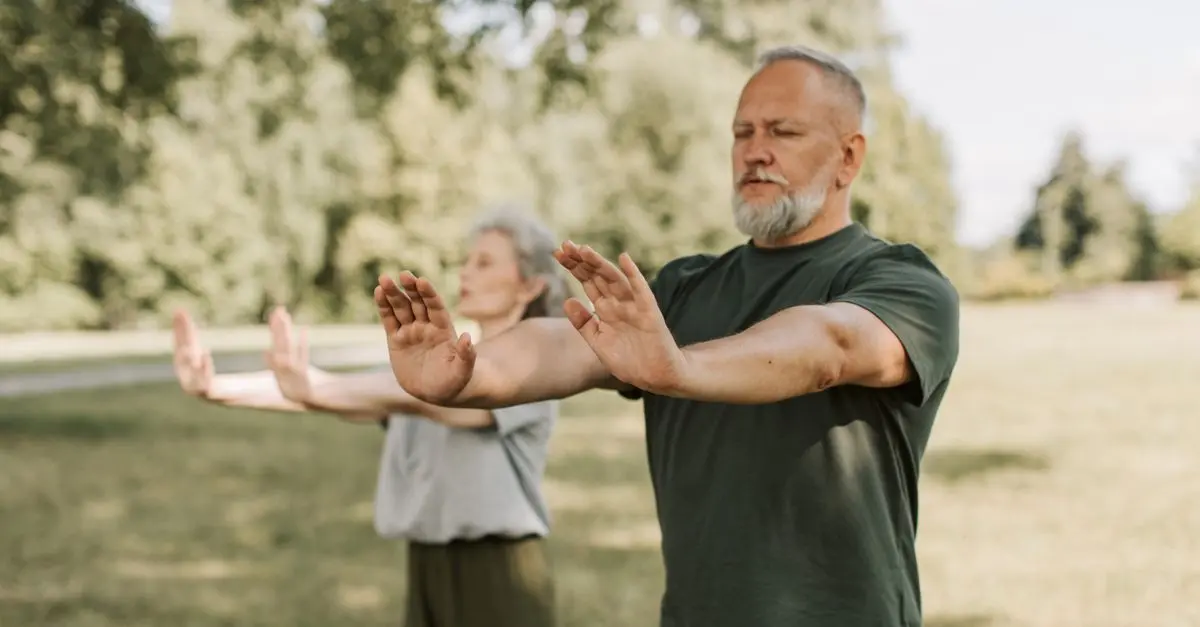
Tai Chi, originally a Chinese martial art, has evolved into a form of exercise centered on achieving mental and physical relaxation through slow and controlled movements. Its popularity has soared in recent years, primarily for its ability to offer profound stress relief. Practitioners describe it as "meditation in motion," reflecting its balance between body and mind. For individuals seeking stress management techniques, Tai Chi provides a holistic approach that enhances overall well-being.
💡 Avis d'expert : Tai Chi enhances not only physical health but also mental clarity, reducing stress and increasing resilience against everyday pressures according to John Hopkins Medicine.
How to Practice Tai Chi for Stress Relief
Engaging in Tai Chi involves mastering its unique set of movements. Here's a step-by-step guide to help you start:
- Warm-Up: Begin with simple breathing exercises to center your body and mind.
- Basic Movements: Focus on the ease of transition and maintaining a steady, gentle flow.
- Concentration: Pay close attention to your posture and movements to enhance mindfulness.
- Cool Down and Reflect: End your session by slowly winding down your exercises and reflecting on your practice.
Each session of Tai Chi can act as a mental reset, providing immediate relief from stress and preparing you mentally for future challenges.
Tai Chi vs. Other Stress Relief Techniques
| Criteria | Tai Chi | Yoga | Meditation | Verdict |
|---|---|---|---|---|
| Physical Activity | Moderate | Variable | Low | Tai Chi for balanced activity and stress relief |
| Accessibility | Suitable for all ages | Some poses can be intense | Very accessible | Meditation for easiest start |
| Equipment Needed | None | Mat | None | Both Tai Chi and Meditation suit minimal setups |
| Focus on Breath | Integral | Moderate | Major | Meditation leads for breathing focus |
Data from Harvard Health Publishing reports that consistent Tai Chi practice can result in a 23% reduction in stress. Furthermore, a study by Mayo Clinic indicates Tai Chi's potential in reducing symptoms akin to depression by up to 30%. These statistics highlight the real, quantifiable benefits of adopting Tai Chi for managing stress.
Frequently Asked Questions
- What is Tai Chi stress relief?
Tai Chi stress relief refers to using Tai Chi to reduce stress through gentle, mindful movements and breathing.
- How often should I practice Tai Chi for stress relief?
Practicing at least three times a week can be beneficial, but daily practice can enhance stress reduction.
- Do I need any special equipment for Tai Chi?
No special equipment is necessary, just comfortable clothing and a peaceful environment.
- Can Tai Chi improve my mental health?
Yes, Tai Chi has been shown to improve mental health by reducing stress and promoting relaxation.
Incorporating Multimedia and Resources
📺 For more details: Check out [Tai Chi for Beginners: Reducing Stress] on YouTube by searching for "Tai Chi stress relief guide". It provides a comprehensive overview of techniques.
Glossary
| Term | Definition |
|---|---|
| Qi | Life force or energy flow central to Chinese medicine and martial arts |
| Meditative | Refers to the practice of focused contemplation and relaxation |
| Mindfulness | State of active, open attention to the present, free from judgment |
- [ ] Begin with a simple breathing exercise
- [ ] Practice Tai Chi movements regularly
- [ ] Maintain focus on posture and balance
- [ ] Integrate mindfulness into practice
- [ ] Reflect on each session for continuous improvement
🧠 Quiz rapide : What primary benefit does Tai Chi offer?
- A) Physical Strength
- B) Stress Relief
- C) Flexibility
Réponse : B — Tai Chi is renowned for its effective stress-relieving properties.